
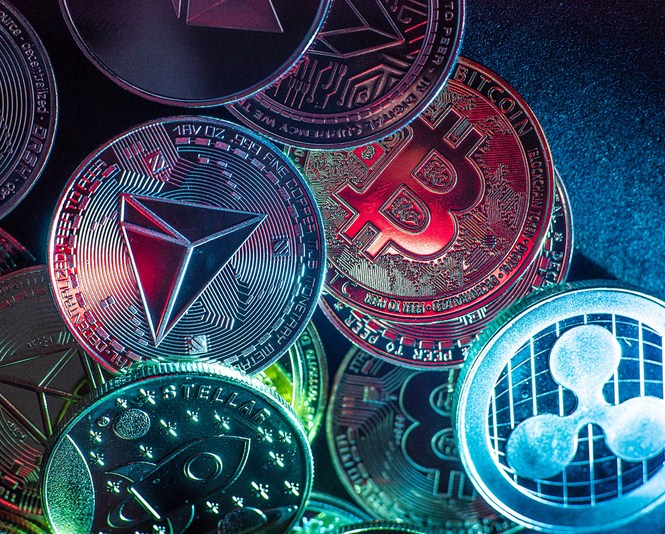
Tokenization transforms how assets are managed, traded, and owned in the digital economy. By converting physical or digital assets into blockchain-based tokens, tokenization enables more efficient, transparent, and secure asset management. From real estate and art to intellectual property and financial instruments, tokenization can revolutionize asset management by providing fractional ownership, liquidity, and trust. Here’s a closer look at how tokenization works and why it’s essential in digital asset management.
Tokenization is the process of representing real-world or digital assets as tokens on a blockchain. These tokens are digital representations of ownership, value, or rights over an asset. There are typically two types of tokens used in asset management:
Each token securely stores key information about the asset it represents, such as its value, ownership history, and transaction records, on the blockchain.
One of the most significant advantages of tokenization is the ability to fractionalize ownership. Traditionally, high-value assets like real estate or fine art are illiquid and only accessible to a few investors. Tokenization breaks these assets into smaller, tradeable units, allowing more people to invest in them with smaller capital contributions.
For example, a building worth $1 million can be tokenized into 1,000 tokens, each representing a fraction of the property. This increases the liquidity of traditionally illiquid assets, as token holders can buy, sell, or trade their shares easily on digital marketplaces.
Blockchain’s transparent and immutable nature enhances trust in asset management by ensuring that all token transactions are publicly recorded. With tokenization, investors can access real-time data about asset ownership and transaction histories, reducing the need for intermediaries and lengthy auditing processes.
Furthermore, blockchain-based tokens are highly secure, as cryptographic algorithms protect them. This eliminates the risks associated with paper-based records and reduces the chances of fraud or tampering.
Tokenization also streamlines asset management by automating processes through smart contracts. Intelligent contracts can manage transactions, distribute dividends, and ensure compliance without the need for third-party intermediaries. This automation reduces operational costs, speeds up transactions, and simplifies cross-border asset transfers.
Tokenization is reshaping the future of digital asset management by enabling fractional ownership, enhancing liquidity, and ensuring transparency and security. By leveraging blockchain technology, tokenization opens up new opportunities for investors and asset managers, making asset ownership more accessible and cost-efficient. As the adoption of tokenization grows, it will continue to play a pivotal role in revolutionizing financial markets and democratizing access to valuable assets.
#Tokenization #DigitalAssetManagement #BlockchainTechnology #SmartContracts #FractionalOwnership #CryptoAssets #AssetManagement #BlockchainInnovation #NFTs #DigitalEconomy
