
Navigating Conflict Resolution: Building Stronger Teams
In any workplace, conflicts are inevitable. They arise from differences in perspectives, goals, and working styles among team members. However, how these conflicts are managed can significantly impact the team’s cohesion, productivity, and overall success. Navigating conflict resolution is an essential skill for leaders and team members alike, as it lays the foundation for building stronger, more resilient teams.
Understanding the Nature of Conflict:
Conflict is not inherently negative; rather, it is a natural result of diverse individuals working together. It often stems from miscommunications, differences in priorities, or contrasting approaches to problem-solving. The first step in effective conflict resolution is acknowledging that conflicts will arise and understanding their root causes.
Promoting Open Communication:
Building stronger teams begins with fostering open and honest communication. Encouraging team members to express their thoughts, concerns, and opinions creates an environment where conflicts can be addressed before they escalate. Team leaders should establish a culture that values diverse perspectives and views conflict as an opportunity for growth and improvement.
Active Listening and Empathy:
Effective conflict resolution requires active listening and empathy. Team members need to feel heard and understood. Leaders should actively listen to all parties involved, seeking to understand their perspectives and underlying concerns. Demonstrating empathy fosters trust and creates a sense of camaraderie among team members.
Establishing Clear Expectations:
Many conflicts arise due to misunderstandings about roles, responsibilities, or expectations. To prevent such conflicts, leaders must establish clear expectations from the outset. This includes defining individual roles, project objectives, and team goals. Clarity reduces ambiguity and provides a framework for team members to work together harmoniously.
Implementing Structured Conflict Resolution Processes:
Having a structured conflict resolution process in place is crucial for building stronger teams. This process should outline the steps to be taken when conflicts arise, including who to contact, how to escalate issues, and what interventions may be necessary. A well-defined process ensures that conflicts are addressed promptly and effectively.
Encouraging Collaboration:
Team-building activities that encourage collaboration can help strengthen relationships among team members, making conflict resolution more effective. Collaborative efforts create a sense of unity and shared purpose, reducing the likelihood of conflicts escalating into larger issues. Team-building exercises, workshops, or projects that require joint efforts foster a collaborative mindset.
Providing Conflict Resolution Training:
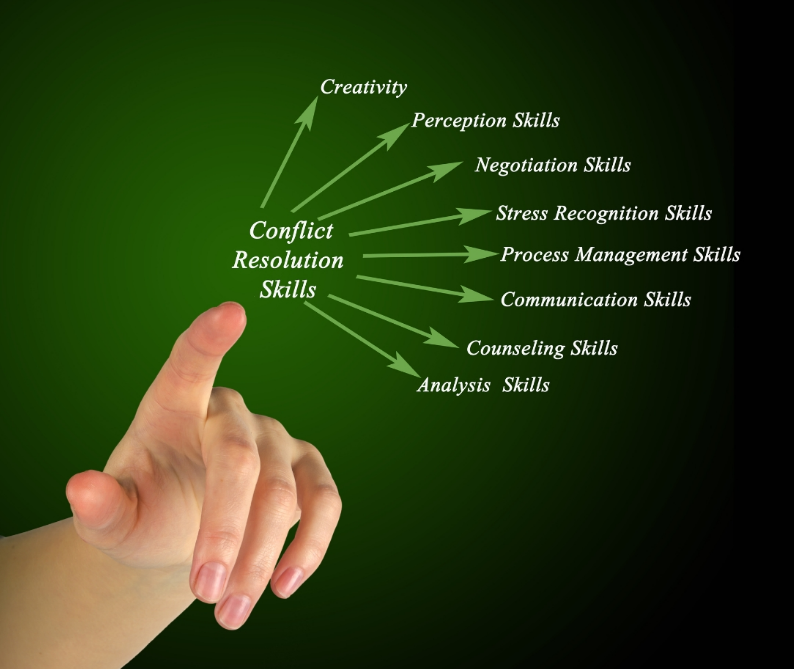
Equipping team members and leaders with conflict-resolution skills is an investment in building stronger teams. Conflict resolution training can include communication skills, negotiation techniques, and strategies for de-escalating tense situations. Empowered with these tools, team members are better equipped to navigate conflicts constructively.
Fostering a Culture of Accountability:
Building stronger teams involves instilling a sense of accountability among team members. Each member should take responsibility for their actions and be willing to address conflicts openly. A culture of accountability reduces blame and encourages a proactive approach to conflict resolution.
Conclusion: Conflict resolution is crucial for team growth and success. Fostering open communication, clear expectations, structured processes, collaboration, training, accountability, diversity appreciation, and a culture of learning can enhance resilience.
#ConflictResolution #TeamBuilding #EffectiveCommunication #CollaborativeTeams #LeadershipSkills #EmpathyInWorkplace #AccountabilityMatters #DiverseTeams #LearningFromConflict #WorkplaceHarmony #BuildingStrongTeams #ProfessionalDevelopment #TeamCulture #ConflictManagement #OpenCommunication #EmpoweredTeams #TeamworkSkills #ConflictResolutionTraining #WorkplaceSuccess #CollaborativeLeadership
