
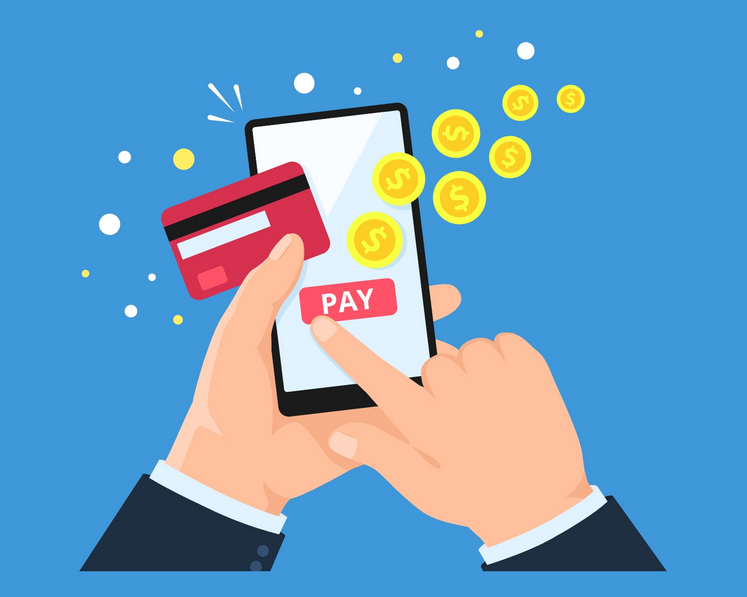
The rise of mobile payments has revolutionized how people transact, offering speed, convenience, and security. For businesses looking to integrate mobile payment solutions, ensuring the system is reliable, user-friendly, and secure is crucial. A successful mobile payment solution requires a combination of several key components that work seamlessly together. Here’s a breakdown of the essential elements that make a mobile payment system efficient and effective for businesses and consumers.
A mobile payment solution needs to be intuitive and easy to navigate. Customers should be able to make payments quickly without unnecessary steps or complicated processes. A clean, simple user interface (UI) enhances the overall experience, encouraging adoption and repeat usage.
To create a user-friendly interface, prioritize the following:
Security is one of the most critical aspects of any mobile payment solution. With the rise of digital transactions, customers are increasingly concerned about the security of their personal and financial data. A robust mobile payment system must include advanced security features to protect users and businesses.
Key security components include:
A payment gateway is the engine that drives mobile payments. It enables secure processing of transactions between the merchant and the customer’s financial institution. Integrating a reliable and well-established payment gateway ensures smooth, fast transactions and enhances user trust.
Key aspects to consider when choosing a payment gateway:
A successful mobile payment solution should support various payment methods to cater to a wide range of customers. Users should be able to pay via credit or debit cards, digital wallets, bank transfers, and even mobile carrier billing.
Popular payment options include:
Providing diverse payment options allows your mobile payment solution to cater to a broader audience, increasing adoption rates.
A successful mobile payment solution must integrate smoothly with other business systems, including customer relationship management (CRM), inventory management, and accounting software. Seamless integration ensures that payment data is synchronized with your business’s records automatically, reducing manual errors and improving efficiency.
The benefits of system integration include:
Providing excellent customer support is key to any successful mobile payment solution. In the event of a failed transaction, payment disputes, or security concerns, customers should have access to responsive support channels.
Compelling customer support features include:
A successful mobile payment solution should also offer businesses powerful analytics and reporting features. These tools provide insights into transaction volumes, user behavior, and sales trends, helping companies to make data-driven decisions.
Key benefits of analytics and reporting include:
Creating a resilient and successful mobile payment solution requires careful consideration of various components, including a user-friendly interface, robust security, multiple payment options, and integration with business systems. By focusing on these key features, businesses can provide a seamless and secure payment experience that enhances customer satisfaction, drives growth, and builds trust. With the right mobile payment solution, companies can stay competitive in today’s digital economy.
#MobilePayments #PaymentSolutions #DigitalPayments #Security #Fintech #MobileTech #PaymentGateway #BusinessGrowth #TechInnovation #CustomerExperience
