
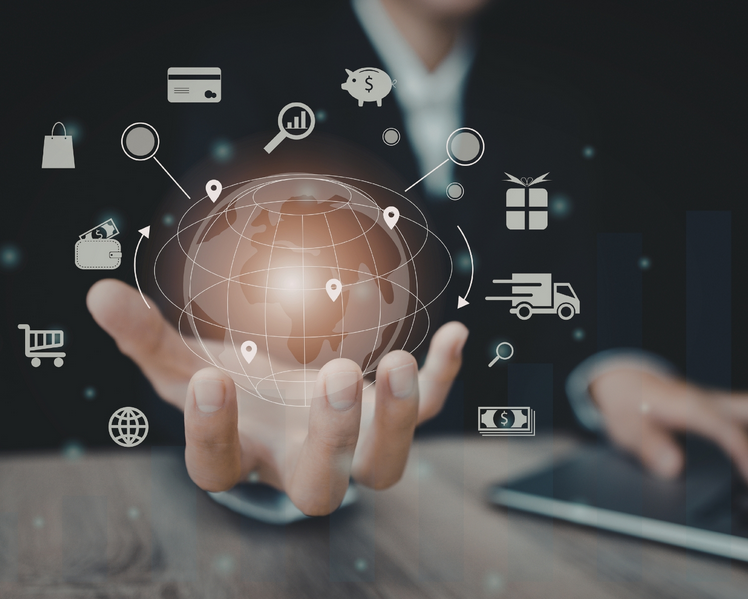
The rise of the Internet of Things (IoT) has transformed how we interact with devices and access services. From smart homes to connected vehicles, IoT is creating a seamless, interconnected environment in which devices communicate to improve efficiency and convenience. One of the most exciting developments in IoT is its integration with digital payments, enabling automatic, secure, and frictionless transactions. However, this integration presents both significant opportunities and challenges. Here’s a closer look at how digital payments and IoT are converging and what businesses and consumers can expect from this powerful combination.
The integration of digital payments with IoT opens up numerous opportunities for enhancing customer experiences. One of the most prominent examples is the use of smart devices for contactless payments. For instance, connected smart refrigerators could automatically reorder groceries and make payments without human intervention. Similarly, wearable devices like smartwatches can be used to pay for products and services, making the process faster and more convenient.
IoT-enabled automated payments also benefit industries such as transportation, where smart vehicles can automatically pay tolls and parking fees. These seamless transactions eliminate the need for physical payment methods, providing a smoother, more integrated experience for users. Additionally, smart home devices can make recurring payments for subscriptions, services, or utilities without user input, automating household management and saving time.
Integrating IoT with digital payments generates vast amounts of data that can be used to improve customer insights. Businesses can analyze payment trends, product usage, and customer behavior to personalize offers, optimize inventory, and improve decision-making. For example, IoT devices can track how often a consumer uses a particular product or service, allowing businesses to offer targeted promotions or tailored pricing.
This data also benefits payment providers by improving fraud detection. By monitoring IoT device activity, providers can detect unusual payment patterns, identify anomalies, and take proactive measures to prevent fraud, ensuring a secure payment environment for users.
The integration of digital payments with IoT presents significant security risks. As more devices collect and transmit sensitive payment data, they become targets for cyberattacks. Protecting these devices from hacking and ensuring secure transactions are significant concerns for both consumers and businesses. As such, robust encryption, authentication protocols, and real-time monitoring must be implemented to safeguard against data breaches and fraud.
Additionally, privacy concerns arise with the vast amount of personal data collected by IoT devices. Consumers need to feel confident that their payment information, along with other sensitive details, is being securely stored and not misused. Regulatory frameworks such as GDPR will be crucial for ensuring that privacy standards are met in IoT-based digital payment solutions.
Another challenge is the lack of standardization in IoT devices and payment platforms. With a wide range of devices, systems, and payment methods, ensuring seamless interoperability between different IoT platforms and payment solutions is a complex task. Businesses must work together to create common standards that ensure compatibility across various devices and services, allowing consumers to make payments effortlessly, regardless of the device or payment method they choose.
Integrating digital payments with IoT offers exciting opportunities to enhance user convenience, streamline transactions, and provide valuable insights. However, it also introduces significant challenges related to security, privacy, and interoperability. To fully capitalize on the potential of this integration, businesses and developers must address these challenges while building secure, user-friendly, and efficient solutions that foster trust and innovation.
#DigitalPayments #IoT #SmartDevices #SecurePayments #DataPrivacy #IoTIntegration #FutureOfPayments #TechInnovation
