
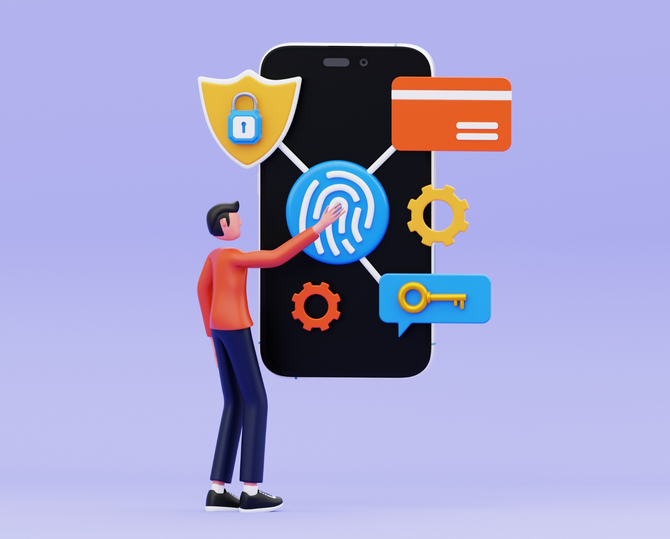
In today’s fast-paced digital world, security is a top priority, especially in digital payments. As cybercrime evolves, so too must the methods used to secure sensitive financial data. One of the most promising advancements in payment security is biometric authentication. By using unique physical traits such as fingerprints, facial recognition, or iris scans, biometric technology offers greater security and convenience for consumers and businesses alike. Here’s how biometric authentication is enhancing payment security and shaping the future of digital transactions.
Traditional payment methods, such as passwords or PINs, are vulnerable to theft, hacking, and guessing. Biometric authentication offers significant improvements by relying on physical characteristics unique to each individual. Fingerprint scanning, facial recognition, and voice recognition are all forms of biometrics that are difficult to replicate or steal. This makes them a highly secure option for verifying identity during transactions, significantly reducing the risk of fraud.
Unlike passwords, which can be forgotten, shared, or stolen, biometrics are inherently more secure because they require something a person is (like a fingerprint or face) rather than something they know. This enhanced security helps prevent unauthorized access to payment accounts, giving both consumers and businesses more confidence in the digital payment process.
Biometric authentication is not only secure but also highly convenient, unlike traditional authentication methods that require users to remember complex passwords or carry additional authentication devices; biometric authentication can be completed in seconds. Fingerprint sensors on smartphones and facial recognition in apps like Apple Pay and Samsung Pay allow users to authorize payments with a simple touch or glance.
This speed and ease of use make biometric authentication particularly appealing for contactless payments and mobile wallet transactions, which require fast, frictionless authentication. For consumers, this means less time spent verifying identity and more convenience when making payments.
Biometric authentication plays a crucial role in reducing the risk of account takeover. With the rise of phishing attacks, social engineering, and data breaches, traditional authentication methods have become increasingly vulnerable. Even if a hacker gains access to sensitive personal information, such as a password or PIN, they cannot replicate an individual’s biometric data. This makes biometrics a strong deterrent to identity theft and unauthorized access to accounts, enhancing the overall security of digital payments.
Many financial institutions and payment platforms are embracing biometric authentication as part of their security protocols. Banks, credit card companies, and payment processors are incorporating biometrics into their mobile apps and websites to ensure a secure and seamless payment experience. In addition to payment authentication, biometrics are also used for account login, fund transfers, and transaction verification, making it a comprehensive solution for safeguarding financial data.
Biometric authentication is rapidly becoming a key component of payment security. By offering a more secure, faster, and convenient way to authenticate transactions, biometrics are transforming how we pay, providing a higher level of protection against fraud and account takeover. As digital payment systems continue to evolve, biometric authentication will likely become the standard for ensuring the safety and security of financial transactions.
#BiometricAuthentication #PaymentSecurity #DigitalPayments #FraudPrevention #TechInnovation #MobilePayments #PaymentSecurity #Fintech
