

In today’s digital landscape, the threat of cyberattacks is ever-present, and no organization is immune. Whether it’s a ransomware attack, data breach, or distributed denial-of-service (DDoS) attack, the aftermath of a cyberattack can be devastating. However, having a cyber resilience strategy in place can make all the difference in quickly recovering and minimizing damage. Unlike traditional cybersecurity, which focuses solely on preventing attacks, cyber resilience emphasizes both preventing and responding to attacks effectively. Here's how cyber resilience can help you bounce back faster. 1. Proactive Preparation and Incident Response Cyber resilience is not just about securing your network—it’s about having a plan in place for when an attack occurs. A well-prepared incident response plan outlines specific actions to contain the attack, communicate with stakeholders, and restore operations. In cyber resilience, businesses conduct regular drills and simulations to test their response protocols, ensuring employees are ready to act swiftly. The ability to quickly isolate the affected systems and minimize disruption is crucial for reducing the impact of a cyberattack. 2. Data Backup and Recovery Systems One of the primary elements of cyber resilience is ensuring that your business has comprehensive data backup and recovery systems. If a cyberattack results in data loss or system compromise, having up-to-date backups ensures critical data can be restored with minimal downtime. Regularly backing up data to secure off-site locations or cloud storage helps organizations recover..
Read More
In an era of increasingly sophisticated and frequent cyberattacks, businesses of all sizes are increasingly exposed to the risks of data breaches, hacking, and other cyber threats. As a result, cyber insurance has emerged as a vital tool for businesses to mitigate the financial impact of such incidents. Here's how cyber insurance can benefit your business and why it’s a crucial investment for safeguarding against evolving cyber risks. 1. Financial Protection Against Cyber Incidents Cyberattacks can be financially devastating. Data breaches, ransomware attacks, and other cyber threats can lead to costly disruptions, regulatory fines, legal fees, and lost revenue. Cyber insurance provides financial coverage to help businesses recover from these costs. Depending on the policy, coverage may include expenses related to data recovery, legal defense, and customer notification and support. By having cyber insurance in place, businesses can minimize the financial burden of a cyber incident, allowing them to focus on recovery and continuity. 2. Legal and Regulatory Support In addition to the direct financial costs, businesses may face legal and regulatory consequences after a cyber incident. For instance, many data protection laws, such as GDPR and CCPA, impose significant fines on businesses that fail to adequately protect customer data. Cyber insurance policies can help cover legal costs associated with regulatory fines, as well as legal defense fees if your business is sued following a breach. With the complex nature..
Read More
In today’s digital age, online banking and financial transactions have become a convenient way for individuals and businesses to manage money. However, with this convenience comes a significant risk: cyberattacks. As more people turn to digital platforms for their financial needs, the importance of cybersecurity in safeguarding online banking and transactions has never been more critical. Here’s why cybersecurity plays such a vital role in securing your financial data. 1. Protecting Sensitive Financial Information Online banking involves the transfer of sensitive information, including personal identification numbers (PINs), passwords, account details, and credit card numbers. Cybercriminals constantly seek to exploit vulnerabilities in banking systems to gain access to this valuable data. Cybersecurity measures such as encryption, multi-factor authentication, and Secure Sockets Layer (SSL) protocols ensure that this sensitive information is protected. Encryption scrambles data, making it unreadable to anyone without the correct decryption key. At the same time, multi-factor authentication provides an extra layer of security by requiring more than just a password to access accounts. 2. Preventing Fraudulent Transactions Fraudulent transactions are one of the most common and dangerous threats to online banking. Cybercriminals use techniques like phishing and malware to gain access to users' bank accounts and initiate unauthorized transactions. Effective cybersecurity can detect and block such fraudulent activities before they impact customers. Financial institutions use advanced fraud-detection systems to monitor account activity and detect suspicious transactions. By employing..
Read More
As the gaming industry continues to evolve, one of the most critical aspects to gain attention is cybersecurity. With millions of gamers worldwide, online gaming platforms have become prime targets for cyberattacks, resulting in significant security breaches, data theft, and financial losses. As the industry grows in value, the need for robust cybersecurity measures has never been more critical. Here’s a look at why cybersecurity is on the rise in the gaming industry and how it is reshaping the future of gaming. 1. Increasing Number of Online Players The rise of multiplayer online games and platforms has significantly increased the focus on cybersecurity. Today, games like Fortnite, Call of Duty, and League of Legends host millions of active players simultaneously. With such a significant online presence, these platforms become attractive targets for hackers looking to exploit vulnerabilities. The more players there are, the greater the opportunity for cybercriminals to access sensitive data such as login credentials, payment information, and personal details. This underscores the need for robust cybersecurity measures to protect players and their personal information. 2. Protection Against Data Breaches One of the most significant threats to the gaming industry is data breaches. Gaming companies collect vast amounts of user data, including payment details, personal identification, and in some cases, location data. If hackers gain access to this sensitive information, they can cause severe financial damage and harm to..
Read More
Cybersecurity threats are constantly evolving, and as technology advances, the risks associated with cyberattacks are becoming increasingly complex. Many organizations treat cybersecurity awareness as a one-time or annual event, but in today’s digital world, it’s essential to make cybersecurity awareness a year-round initiative. By continuously educating employees and stakeholders about cyber threats, businesses can better protect their sensitive data and ensure long-term resilience. Here's why cybersecurity awareness should be an ongoing effort. 1. Constantly Evolving Threat Landscape Cybercriminals are constantly finding new ways to exploit vulnerabilities, making the threat landscape dynamic and unpredictable. From phishing attacks to ransomware, cyberattacks are becoming more sophisticated. Employees need to be kept informed about the latest threats and attack tactics. Annual or ad hoc training isn’t sufficient to keep up with these evolving risks. A year-round cybersecurity awareness program ensures employees stay up to date on current threats, enabling them to identify and respond to potential dangers in real time. 2. Building a Strong Security Culture Cybersecurity is not just the responsibility of the IT team—everyone in the organization plays a role in protecting the business. By making cybersecurity awareness a continuous effort, organizations can foster a culture where security is ingrained in every aspect of their operations. Employees will be more likely to recognize the importance of following security protocols, adhering to best practices, and reporting suspicious activity. This proactive approach helps create..
Read More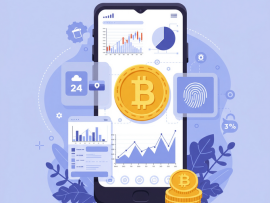
Blockchain technology has been a buzzword in finance and technology for years, but its impact on digital payments is increasingly evident. Originally introduced as the backbone of cryptocurrencies like Bitcoin, blockchain’s secure, transparent, and decentralized nature is now transforming how we think about and use digital payments. Here’s how blockchain is revolutionizing digital payments and why it’s considered a game-changer in the financial world. 1. Increased Security and Fraud Prevention One of the most compelling advantages of blockchain technology in digital payments is its enhanced security. Blockchain’s decentralized structure means no single entity controls transactions, making it far more difficult for hackers to manipulate or alter payment information. Each transaction is verified and recorded in a public ledger, creating a transparent, tamper-proof history. This dramatically reduces the risk of fraud and makes digital payments more secure for both businesses and consumers. 2. Faster Transactions Blockchain technology enables peer-to-peer transactions without intermediaries, such as banks or payment processors. This can result in significantly faster payment processing times, especially for cross-border transactions. Traditional international payments can take several days to clear, often due to multiple intermediaries and time zone differences. With blockchain, transactions can occur in minutes or even seconds, regardless of the parties' geographic locations, making the entire payment process more efficient and timely. 3. Lower Transaction Fees The absence of intermediaries is also a significant factor in reducing transaction costs...
Read More
With the rise of digital payments, the risk of fraud has become a significant concern for businesses and consumers alike. Cybercriminals are constantly finding new ways to exploit vulnerabilities in online transactions, making it crucial for companies to implement effective fraud prevention strategies. In the world of digital payments, staying one step ahead of fraudsters is essential to protecting sensitive information and maintaining customer trust. Here are some best practices for preventing digital payment fraud. 1. Implement Strong Customer Authentication (SCA) One of the most effective ways to prevent digital payment fraud is by using Strong Customer Authentication (SCA). This requires two or more verification methods before a transaction can be completed. These methods typically include something the customer knows (password), something they have (a mobile phone or hardware token), and something they are (biometric data, such as fingerprints or facial recognition). By enforcing multiple layers of verification, businesses make it more difficult for fraudsters to complete unauthorized transactions. 2. Use Tokenization and Encryption Tokenization replaces sensitive payment data, such as credit card numbers, with unique tokens that are meaningless to anyone who intercepts them. This ensures that even if fraudsters gain access to the payment data, they can’t use it for malicious purposes. Coupled with encryption—which secures data during transmission—tokenization adds another layer of security, protecting both businesses and consumers from data breaches and fraud. 3. Monitor Transactions in..
Read More
As digital payments become an integral part of our daily lives, cybersecurity has become a crucial factor in ensuring that these transactions remain safe and secure. With the rise of online shopping, mobile wallets, and digital banking, the volume of digital payments is increasing rapidly, and so is the risk of cyberattacks. Securing payment systems is not only essential for protecting sensitive financial information but also for maintaining consumer trust and preventing financial losses. Here's why cybersecurity is so vital in the realm of digital payments. 1. Protection of Sensitive Information Digital payments involve the exchange of sensitive financial data, such as credit card details, bank account numbers, and personal identification. If this information falls into the wrong hands, it can lead to identity theft, fraud, and financial loss. Cybersecurity measures like encryption, tokenization, and secure authentication protocols help protect this information from unauthorized access. By ensuring that data is securely transmitted and stored, businesses can safeguard their customers from cybercriminals who attempt to exploit vulnerabilities. 2. Preventing Fraud and Data Breaches Fraudulent activities, including unauthorized transactions and identity theft, are significant concerns in digital payments. Cybersecurity protects against these threats by using advanced fraud detection tools and techniques, such as machine learning algorithms that analyze transaction patterns in real time. These systems can detect suspicious behavior and prevent fraudulent transactions before they are completed. Data breaches, where hackers access..
Read More
In today’s fast-paced digital world, security is a top priority, especially in digital payments. As cybercrime evolves, so too must the methods used to secure sensitive financial data. One of the most promising advancements in payment security is biometric authentication. By using unique physical traits such as fingerprints, facial recognition, or iris scans, biometric technology offers greater security and convenience for consumers and businesses alike. Here’s how biometric authentication is enhancing payment security and shaping the future of digital transactions. 1. Stronger Protection Against Fraud Traditional payment methods, such as passwords or PINs, are vulnerable to theft, hacking, and guessing. Biometric authentication offers significant improvements by relying on physical characteristics unique to each individual. Fingerprint scanning, facial recognition, and voice recognition are all forms of biometrics that are difficult to replicate or steal. This makes them a highly secure option for verifying identity during transactions, significantly reducing the risk of fraud. Unlike passwords, which can be forgotten, shared, or stolen, biometrics are inherently more secure because they require something a person is (like a fingerprint or face) rather than something they know. This enhanced security helps prevent unauthorized access to payment accounts, giving both consumers and businesses more confidence in the digital payment process. 2. Faster and More Convenient Transactions Biometric authentication is not only secure but also highly convenient, unlike traditional authentication methods that require users to remember complex..
Read More