


In a rapidly evolving work landscape, the traditional 9-to-5 office model is giving way to more flexible work arrangements. The concept of flexibility has become a cornerstone in attracting and retaining top talent while fostering a healthy work-life balance. Let's explore the significance of flexible work arrangements and how they cater to the diverse needs of employees. Embracing Work-Life Balance: Flexible work arrangements play a pivotal role in promoting work-life balance. By allowing employees to tailor their work hours to suit personal commitments and priorities, organizations acknowledge the importance of balancing professional responsibilities with personal and family life. This acknowledgment contributes to greater job satisfaction and overall well-being. Meeting Diverse Personal Needs: Employees have diverse needs and preferences when it comes to their work environment. Some may thrive in a traditional office setting, while others may prefer the autonomy of working remotely. Offering flexibility in work arrangements accommodates this diversity, allowing employees to choose the setup that best suits their work style and personal circumstances. Boosting Employee Morale and Productivity: Flexibility in work arrangements has been linked to increased employee morale and productivity. When employees have control over their work schedules and environments, they are more likely to feel empowered and motivated. This autonomy can lead to heightened job satisfaction and a sense of ownership in one's work, translating into improved performance. Attracting and Retaining Talent: In a competitive job..
Read More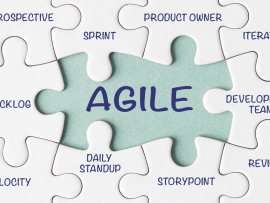
In the era of constant change and evolving workplace dynamics, effective talent management is a linchpin for organizational success. Employsolution emerges as a catalyst in this arena, promising to elevate talent management to new heights, particularly in dynamic and agile workplaces where adaptability and innovation are paramount. The Importance of Talent Management in a Dynamic Workplace: In today's fast-paced and dynamic business environment, organizations are recognizing the crucial role of talent management. Beyond traditional HR practices, talent management encompasses attracting, developing, and retaining skilled professionals, ensuring that businesses have the right people in the right roles at the right time. In this context, Employsolution takes center stage as a transformative tool. Agility in Recruitment and Onboarding: Employsolution reshapes talent acquisition by introducing agility into the recruitment process. The platform streamlines sourcing, shortlisting, and onboarding, allowing organizations to adapt swiftly to changing needs. This agility ensures that the workforce remains aligned with business objectives in real-time. Performance Management for Continuous Improvement: In a dynamic workplace, performance management is not a static process but a continuous cycle of improvement. Employsolution provides tools for setting and tracking goals, offering real-time feedback, and fostering a culture of continuous improvement. This dynamic approach ensures that employees are always aligned with evolving organizational goals. Learning and Development for Skill Agility: As the business landscape evolves, so do the skills required for..
Read More
In the ever-evolving landscape of the modern workplace, talent management has become a strategic imperative for organizational success. Employsolution, an innovative platform, takes center stage, promising to unleash a transformative wave in how businesses attract, nurture, and retain talent in today's dynamic professional environment. The Evolution of Talent Management: Talent management has shifted from a traditional HR function to a strategic and dynamic process essential for staying competitive. Employsolution steps into this evolving landscape as a comprehensive solution that aims to redefine talent management for the modern workplace. Agile Recruitment Strategies: Employsolution revolutionizes talent acquisition by introducing agile recruitment strategies. The platform utilizes advanced analytics to identify top talent efficiently, streamlining the hiring process and ensuring organizations can quickly respond to changing workforce needs. Dynamic Onboarding Experiences: In the modern workplace, the onboarding process is a crucial touchpoint that sets the tone for an employee's journey. Employsolution enhances onboarding experiences by personalizing the process, helping new hires integrate seamlessly into the organization's culture from day one. Continuous Learning Culture: Adaptability is key in the contemporary professional landscape. Employsolution promotes a continuous learning culture, providing employees with access to learning and development opportunities that align with both individual career aspirations and organizational objectives. Data-Driven Performance Management: Employsolution leverages data analytics to drive performance management strategies. By providing real-time insights into employee performance, the platform enables organizations to make informed decisions, identify..
Read More
Inclusive Leadership: Fostering Diversity in the Workplace In the pursuit of organizational excellence, the concept of inclusive leadership has emerged as a transformative force that goes beyond mere diversity numbers. Inclusive leaders champion a workplace culture where diversity is not just acknowledged but celebrated and where every individual feels valued and empowered. In this blog, we explore the profound impact of inclusive leadership on fostering diversity in the workplace. #1 Embracing Diversity Beyond Numbers: A Cultural Shift Inclusive leadership signals a cultural shift from merely meeting diversity quotas to embracing diversity as a fundamental aspect of organizational identity. Leaders who understand the value of diverse perspectives recognize that it goes beyond numbers on a spreadsheet; it's about creating an inclusive environment where everyone's contributions are valued. #2 Cultivating Psychological Safety: A Foundation for Inclusion Inclusive leaders prioritize psychological safety—a workplace environment where employees feel comfortable being their authentic selves without fear of judgment. This foundational aspect of inclusion fosters creativity, collaboration, and open communication. #3 Empowering Marginalized Voices: Giving Power to the Unheard Inclusive leaders actively seek to amplify the voices of those traditionally marginalized or underrepresented. They create platforms for individuals to share their experiences, perspectives, and ideas, ensuring that everyone has an equal opportunity to contribute to the organization's narrative. #4 Dismantling Bias: Challenging Assumptions and Stereotypes Inclusive leaders recognize and challenge unconscious biases that may exist within..
Read More
Human Resources (HR) is undergoing a profound transformation, evolving from a traditional administrative function to a strategic driver of organizational success. In this era of innovation, Employsolution takes center stage, offering a progressive approach to talent management that redefines the role of HR in fostering a dynamic and future-ready workforce. The Shifting Landscape of HR: The dynamics of the modern workplace demand a forward-thinking HR approach. Organizations are recognizing the need to go beyond conventional HR practices, embracing innovative solutions to attract, develop, and retain top talent. Employsolution emerges as a key player in this evolution, offering a suite of features that propel HR into a strategic, value-driven position. Agile Recruitment Strategies: Employsolution introduces agility into recruitment strategies, recognizing the fast-paced nature of the contemporary job market. The platform leverages advanced analytics to identify and attract candidates efficiently, streamlining the hiring process and ensuring organizations remain responsive to evolving workforce needs. Dynamic Onboarding Experiences: The onboarding process is a critical phase in the employee lifecycle. Employsolution revolutionizes onboarding by providing a dynamic and personalized experience. New hires are introduced to the organization's culture seamlessly, setting the stage for a positive and productive journey. Continuous Learning and Development: Innovation thrives in an environment that encourages continuous learning. Employsolution promotes a culture of learning and development, offering employees access to a diverse range of training opportunities. This commitment to ongoing skill..
Read More
In the ever-evolving landscape of the workplace, traditional employee onboarding processes are undergoing a transformative journey. The shift towards a more digitized and immersive onboarding experience not only enhances efficiency but also sets the tone for a positive and engaging employee journey. In this blog, we'll explore some of the innovative trends reshaping employee onboarding, from virtual tours to interactive digital handbooks. Virtual Tours for a Seamless Introduction: Gone are the days of static office orientations. Virtual tours provide new hires with an immersive experience, allowing them to explore the physical workspace, understand office layouts, and even meet key team members—all from the comfort of their devices. This not only helps in acclimating employees to their new environment but also sets the stage for a more seamless transition into the workplace culture. Gamified Onboarding Platforms: Gamification injects an element of fun and interactivity into the onboarding process. From interactive quizzes that test knowledge about company values to team-building games that encourage collaboration, gamified onboarding platforms make learning enjoyable and memorable. This approach enhances engagement and ensures that crucial information is retained. Digital Welcome Kits: Say goodbye to the traditional paper welcome kits. Digital welcome kits, accessible through a centralized online portal, provide new employees with a wealth of information about company policies, benefits, and resources. These kits can be easily updated, ensuring that employees always have access to the latest..
Read More
In the ever-evolving landscape of business, leadership is a key driver of success. Recognizing the importance of cultivating effective leaders, organizations are increasingly turning to Leadership Development Programs to identify, nurture, and empower individuals who will steer the company toward future growth. In this blog, we'll explore the significance of Leadership Development Programs and how they serve as invaluable investments in the development of the next generation of leaders. The Need for Leadership Development: Adapting to Change: In a dynamic business environment, the ability to adapt to change is crucial. Future leaders need to possess the agility to navigate uncertainties, make informed decisions, and lead their teams through transformation. Fostering Innovation: Effective leaders drive innovation. Leadership Development Programs focus on cultivating a mindset that encourages creativity, risk-taking, and the ability to inspire teams to think outside the box. Succession Planning: Planning for the future requires a strategic approach to leadership continuity. Leadership Development Programs identify and groom individuals with the potential to step into key roles, ensuring a seamless transition when leadership changes occur. Enhancing Employee Engagement: Leaders play a pivotal role in shaping the workplace culture. Engaged leaders who prioritize employee well-being, provide clear communication, and foster a positive work environment contribute to higher levels of employee engagement and satisfaction. Key Components of Leadership Development Programs: Mentorship and Coaching: Pairing aspiring leaders with experienced mentors provides personalized guidance and..
Read More
In the pursuit of a thriving and sustainable workplace, organizations are increasingly recognizing the importance of prioritizing mental health. The well-being of employees is not only a moral imperative but also a strategic investment in productivity, engagement, and overall organizational success. Let's delve into the crucial aspects of mental health in the workplace and explore strategies for creating a supportive environment. Fostering a Stigma-Free Culture: One of the foundational steps in promoting mental health is to foster a culture that eliminates the stigma surrounding mental health issues. Openly discussing mental health reduces the fear and judgment associated with it, encouraging employees to seek help without hesitation. Providing Mental Health Resources: Offering accessible mental health resources is essential. This includes Employee Assistance Programs (EAPs), counseling services, and educational materials. Providing a range of resources ensures that employees have the support they need, whether they are dealing with stress, anxiety, or more complex mental health challenges. Flexible Work Arrangements: Acknowledging the importance of work-life balance is crucial for mental health. Providing flexible work arrangements, such as remote work options or flexible schedules, allows employees to better manage their responsibilities and reduces the stress associated with rigid work structures. Training and Awareness Programs: Organizations can invest in training programs that raise awareness about mental health issues. This can include workshops on stress management, resilience building, and recognizing signs of mental health challenges. Educated..
Read More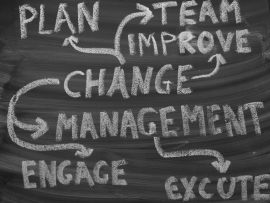
In the ever-evolving landscape of business, change is the only constant. From technological advancements to organizational restructuring, navigating change is a skill that organizations must master to stay competitive. Central to successful change management is the ability to support employees through transitions, ensuring a smooth journey from the old to the new. Let's explore effective strategies for guiding employees through periods of change. Transparent Communication: The foundation of successful change management lies in transparent communication. Keep employees informed about the reasons behind the change, the expected impact, and the benefits that will result. Addressing concerns openly and honestly fosters trust and helps alleviate anxieties associated with uncertainty. Engage and Involve Employees: Empower employees by involving them in the change process. Seek their input, listen to their concerns, and incorporate their feedback where possible. When employees feel that their voices are heard and their perspectives matter, they are more likely to embrace the changes with a sense of ownership. Provide Clear Direction: During times of change, employees crave stability and direction. Clearly articulate the goals of the change, the steps involved, and the expected outcomes. Providing a roadmap helps employees understand how the change will unfold and what is expected of them, reducing ambiguity and fear of the unknown. Offer Training and Development Opportunities: Change often comes with new skill requirements. Provide training and development opportunities to help employees acquire the..
Read More
Navigating Conflict Resolution: Building Stronger Teams In any workplace, conflicts are inevitable. They arise from differences in perspectives, goals, and working styles among team members. However, how these conflicts are managed can significantly impact the team's cohesion, productivity, and overall success. Navigating conflict resolution is an essential skill for leaders and team members alike, as it lays the foundation for building stronger, more resilient teams. Understanding the Nature of Conflict: Conflict is not inherently negative; rather, it is a natural result of diverse individuals working together. It often stems from miscommunications, differences in priorities, or contrasting approaches to problem-solving. The first step in effective conflict resolution is acknowledging that conflicts will arise and understanding their root causes. Promoting Open Communication: Building stronger teams begins with fostering open and honest communication. Encouraging team members to express their thoughts, concerns, and opinions creates an environment where conflicts can be addressed before they escalate. Team leaders should establish a culture that values diverse perspectives and views conflict as an opportunity for growth and improvement. Active Listening and Empathy: Effective conflict resolution requires active listening and empathy. Team members need to feel heard and understood. Leaders should actively listen to all parties involved, seeking to understand their perspectives and underlying concerns. Demonstrating empathy fosters trust and creates a sense of camaraderie among team members. Establishing Clear Expectations: Many conflicts arise due to misunderstandings about..
Read More