

As the digital landscape continues to evolve, organizations face an increasing number of cyber threats. While terms like “cybersecurity” and “cyber resilience” are often used interchangeably, they represent two distinct concepts in the field of IT security. Understanding the difference between these two is crucial for businesses seeking to establish a robust defense against cyber threats. Here’s a breakdown of the key differences between cybersecurity and cyber resilience. 1. Cybersecurity: Preventing and Protecting Cybersecurity primarily focuses on protecting systems, networks, and data from cyberattacks and unauthorized access. It involves a series of proactive measures aimed at preventing threats from entering an organization’s environment in the first place. These measures can include installing firewalls, implementing antivirus software, encrypting data, and regularly updating security protocols to patch vulnerabilities. The goal of cybersecurity is to create a secure perimeter around an organization’s digital infrastructure to stop attackers before they can breach the system. Cybersecurity strategies often include: Threat detection: Identifying potential threats through firewalls, monitoring systems, and intrusion detection systems. Access control: Restricting access to sensitive data through authentication methods like passwords, biometrics, and multi-factor authentication. Data encryption: Protecting information by converting it into a code that can only be read with the correct decryption key. While cybersecurity is essential, it focuses on prevention and defense, aiming to keep attackers out of the system at all costs. 2. Cyber Resilience: Bouncing Back from..
Read More
As cyber threats continue to grow, small and medium-sized enterprises (SMEs) are increasingly vulnerable to data breaches, ransomware, and other cyberattacks. However, many SMEs face budget constraints that make it challenging to implement robust cybersecurity measures. The good news is that there are many affordable and effective cybersecurity tools available to help protect your business from cyber threats. Here are some of the best cybersecurity tools for SMEs to enhance their protection and minimize risks. 1. Bitdefender Small Office Security Bitdefender is a popular name in the cybersecurity industry, and its Small Office Security tool offers excellent protection for SMEs. This solution provides multi-layered protection, including real-time antivirus scanning, firewall protection, web filtering, and ransomware protection. It’s easy to set up and manage, with a central dashboard to monitor and control security for all devices in your network. Bitdefender is known for its minimal impact on system performance, making it an ideal choice for businesses that need reliable security without compromising productivity. 2. Norton Small Business Norton is another trusted name in cybersecurity, and Norton Small Business is tailored to meet the unique needs of SMEs. This tool offers comprehensive protection against malware, ransomware, and phishing attacks. It also includes device management features, allowing businesses to monitor and secure multiple devices. Norton’s cloud-based solution is simple to use, and it provides remote monitoring, which is perfect for businesses with remote..
Read More
As cyber threats continue to evolve, ensuring the security of government and public sector organizations is more critical than ever. Cyberattacks targeting these entities can result in the theft of sensitive data, disruption of services, and loss of public trust. With increasing dependence on digital infrastructure, public sector organizations must prioritize not only cybersecurity but also cyber resilience. Cyber resilience refers to an organization’s ability to continuously deliver its intended outcomes, even in the face of adverse cyber events. Here’s why cyber resilience is essential for government and public sector organizations and how they can strengthen it. 1. The Unique Challenges of Public Sector Cybersecurity Government and public sector organizations face unique cybersecurity challenges due to the volume of sensitive data they manage, including personal, financial, and national security-related information. Additionally, these entities are often seen as high-value targets for cybercriminals, hacktivists, and state-sponsored actors. With critical services such as healthcare, law enforcement, and transportation relying on digital systems, the consequences of a cyberattack can be far-reaching, significantly impacting citizens' daily lives. 2. Cyber Resilience vs. Cybersecurity While cybersecurity focuses on preventing attacks and protecting systems from potential threats, cyber resilience goes a step further by emphasizing the ability to recover quickly and continue operations during and after a cyber incident. For government organizations, this means building robust systems that can withstand disruptions and maintaining business continuity even if parts..
Read More
In the face of increasing cyber threats, businesses and organizations are continuously searching for innovative solutions to enhance their cybersecurity efforts. One technology that is gaining traction in the fight against cybercrime is blockchain. Originally developed as the underlying technology for cryptocurrencies like Bitcoin, blockchain offers unique features that can significantly bolster cybersecurity practices. Here's how blockchain technology can improve cybersecurity and provide more secure systems. 1. Decentralization and Reduced Risk of Single Points of Failure One of the fundamental features of blockchain is its decentralized nature. Unlike traditional centralized systems, where a single entity or server holds sensitive data, blockchain distributes information across multiple nodes (computers) in a network. This decentralized structure makes it much harder for hackers to compromise the system, as there is no central point of failure. Even if one node is attacked, the rest of the network remains intact and functional. This makes blockchain a robust solution for protecting data and preventing widespread breaches. 2. Immutable Data Records Blockchain technology employs a process called "immutability," which means that once data is recorded on the blockchain, it cannot be altered or deleted without the consensus of the entire network. This makes it an excellent tool for ensuring the integrity of sensitive information. In the context of cybersecurity, blockchain can help prevent data tampering, unauthorized changes, and fraudulent activities. For instance, digital records, transaction histories, or logs..
Read More
In today’s interconnected world, third-party relationships are essential to business operations, from vendors and suppliers to contractors and service providers. While these partnerships can provide valuable services and resources, they also introduce cybersecurity risks. A breach in a third-party vendor’s system can compromise your organization’s sensitive data, disrupt operations, and damage your reputation. Managing third-party cybersecurity risks is essential for protecting your business and maintaining trust with clients and customers. Here’s how to effectively manage these risks. 1. Conduct Thorough Risk Assessments Before engaging with any third party, it’s crucial to conduct a comprehensive cybersecurity risk assessment. This involves evaluating the third party’s security posture to understand potential vulnerabilities that could impact your business. Key questions to ask include: How does the third party protect your data? What security protocols are in place? Do they comply with industry regulations? A detailed risk assessment helps identify and mitigate potential cybersecurity risks before establishing a relationship. 2. Establish Clear Security Expectations and Policies Once you’ve selected a third party, set clear cybersecurity expectations and security policies. Ensure that these expectations align with your organization’s security standards and compliance requirements. This includes stipulating how sensitive data should be handled, utilizing encryption for data transfer, and implementing strong authentication and access control protocols. Having a mutual understanding of cybersecurity responsibilities helps prevent vulnerabilities and ensures that both parties are committed to maintaining secure operations...
Read More
Insider threats are one of the most dangerous and difficult-to-detect risks faced by organizations today. Unlike external cyberattacks, insider threats come from within—employees, contractors, or other trusted individuals who intentionally or unintentionally compromise the organization's security. These threats can result in data breaches, intellectual property theft, and substantial financial losses. However, with the right strategies in place, organizations can effectively prevent and mitigate the impact of insider threats. Here’s how to protect your organization from these risks. 1. Implement Strict Access Controls One of the first steps in preventing insider threats is to limit access to sensitive data and systems. Implement strict access controls by ensuring that employees only have access to the information and resources they need to perform their job functions. Use the principle of least privilege (PoLP) to restrict access rights to the minimum necessary. Regularly review and update access permissions to ensure that employees who no longer require access to specific systems or data are removed immediately. 2. Monitor User Activity Regularly monitoring user activity can help detect suspicious behavior before it escalates into a full-blown security incident. Implement monitoring tools that track employee actions, such as file access, data transfers, and login times. Look for patterns that might indicate malicious intent, such as unusual access to sensitive data, large file downloads, or login attempts outside of regular work hours. Monitoring helps identify potential threats early,..
Read More
As remote work continues to rise in popularity, businesses face a growing challenge: ensuring the security of remote workers. Unlike traditional office environments, remote work setups often involve personal devices, home networks, and less controlled environments, creating multiple vulnerabilities. To maintain data protection and business continuity, organizations must address these challenges and implement strategies to overcome them. Here’s a look at the main challenges and how businesses can secure remote workers effectively. 1. Insecure Networks and Devices One of the most significant risks of remote work is the use of unsecured networks and personal devices. Remote workers may connect to the internet using public Wi-Fi at coffee shops, airports, or even in their own homes, potentially exposing company data to hackers. Personal devices, such as smartphones and laptops, often lack adequate security measures, making them vulnerable to cyberattacks. Solution: To address this, businesses should implement Virtual Private Networks (VPNs) to ensure that remote workers are connecting securely to the company network. VPNs encrypt internet traffic, making it more difficult for cybercriminals to intercept data. Additionally, companies should enforce policies that require remote workers to use company-approved devices with up-to-date security software and antivirus programs. 2. Lack of Proper Authentication and Access Control Without the proper authentication and access control measures, remote workers may unintentionally expose sensitive information. Weak passwords or reused credentials increase the risk of unauthorized access to company..
Read More
In today’s increasingly digital world, cybersecurity is more important than ever. As businesses, governments, and individuals rely more on technology, the need to protect data, systems, and networks from cyber threats has grown exponentially. However, this heightened focus on protection raises an ethical dilemma: how can we balance the need for security with the fundamental right to privacy? The ethics of cybersecurity involves finding a balance between these two competing needs. Here’s how we can navigate the complex ethical landscape of cybersecurity while respecting privacy and ensuring robust protection. 1. The Right to Privacy vs. the Need for Security At the heart of the ethical debate in cybersecurity lies the tension between privacy and security. Individuals and organizations expect their personal data to be protected from unauthorized access, while governments and businesses need to implement security measures to prevent cyberattacks and data breaches. The challenge is to strike a balance where personal privacy is respected, but systems and data are sufficiently protected from malicious actors. For example, governments may want to monitor communications to prevent terrorism or cybercrime, but this can infringe upon citizens' rights to privacy. Similarly, businesses must protect customer data but may be tempted to collect more personal information than necessary in the name of security or marketing. Ethical cybersecurity practices must ensure that data collection and monitoring are proportional to the threat and done with transparency..
Read More
Critical infrastructure refers to the essential systems and services that are fundamental to a nation’s security, economy, public health, and safety. These include sectors such as energy, water supply, transportation, healthcare, and finance. As these systems become increasingly digital and interconnected, the need for robust cybersecurity has never been more urgent. Cyberattacks targeting critical infrastructure can have devastating consequences, including service disruptions, economic losses, and even threats to public safety. Here’s a look at the vital role cybersecurity plays in protecting critical infrastructure. 1. Preventing Cyberattacks Critical infrastructure systems are prime targets for cybercriminals and state-sponsored hackers. A successful cyberattack on these systems can result in widespread damage, including the theft of sensitive data, disruption of services, and physical damage to infrastructure. Cybersecurity plays a vital role in preventing these attacks by defending against malware, ransomware, denial-of-service (DoS) attacks, and other forms of cyber intrusion. By implementing firewalls, intrusion detection systems, and encryption technologies, cybersecurity professionals can defend critical infrastructure against these threats and minimize the risk of system breaches. 2. Ensuring Operational Continuity In sectors such as energy, transportation, and healthcare, operational continuity is crucial. A cyberattack that disrupts the flow of energy, halts transportation services, or compromises healthcare systems can have far-reaching consequences. Cybersecurity ensures that critical systems remain operational by detecting and mitigating threats before they can cause significant harm. This includes having disaster recovery plans in..
Read More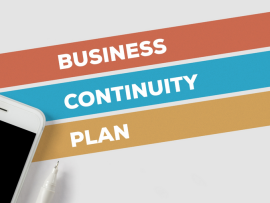
In today’s digital age, cyber threats are an ever-present risk for businesses of all sizes. From ransomware attacks and data breaches to system outages and cyber fraud, the consequences of a cyber incident can be catastrophic. That’s why cyber resilience—an organization’s ability to continuously deliver the intended outcome despite adverse cyber events continuously—should be an essential part of any business continuity plan (BCP). Here’s why integrating cyber resilience into your BCP is critical for safeguarding your business and ensuring long-term success. 1. Mitigates the Impact of Cyber Threats Cyber-attacks and incidents can disrupt business operations, damage your reputation, and lead to significant financial losses. By incorporating cyber resilience into your business continuity plan, you can ensure that you have the tools and strategies in place to respond quickly and minimize the impact of a cyber incident. This includes having backup systems, encryption protocols, and disaster recovery plans that enable your business to continue operating even in the event of a breach or attack. 2. Ensures Data Protection and Compliance For many businesses, customer data is the lifeblood of operations. Cyber resilience ensures that this sensitive information is protected against breaches, leaks, and loss. By incorporating strong cybersecurity measures into your continuity plan, you reduce the risk of data loss and ensure that your business remains compliant with data protection regulations like GDPR or HIPAA. A robust cyber resilience framework encompasses..
Read More