
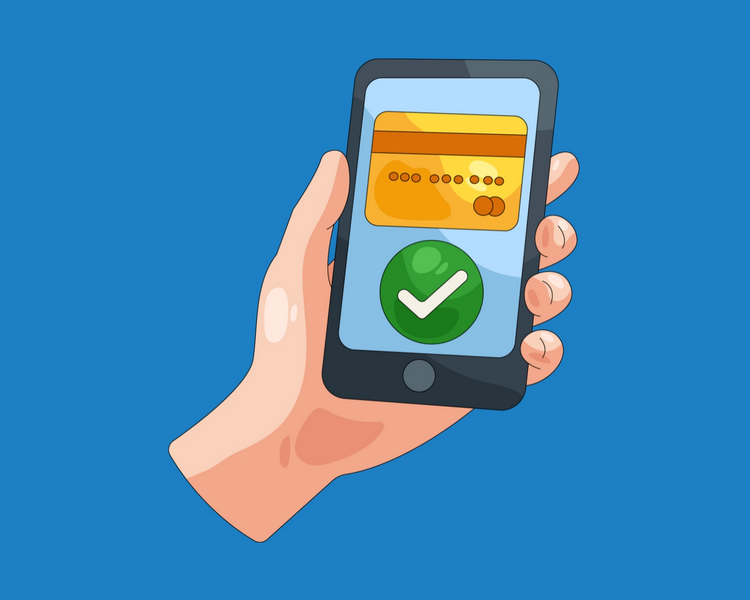
Mobile payments have come a long way from their humble beginnings. What started as a simple alternative to cash has evolved into a sophisticated, convenient, and highly secure payment method, transforming how consumers interact with money. As technology continues to advance, mobile payments are expected to become even more seamless, efficient, and integrated into our daily lives. Here’s a look at the evolution of mobile payments and what’s next for consumers.
Mobile payments began gaining traction in the early 2000s with the advent of technologies like SMS-based payments and early mobile wallet applications. At first, they were limited to basic functions, such as transferring small amounts of money via text message or using mobile phones to pay for digital content, like apps and music. These early systems, while groundbreaking, were often clunky and not widely adopted due to limited merchant acceptance and security concerns.
In the late 2000s and early 2010s, mobile payment technology saw a massive leap forward with the introduction of mobile wallets like Apple Pay, Google Pay, and Samsung Pay. These wallets allowed consumers to store credit and debit card information on their smartphones and make contactless payments using NFC (Near Field Communication) technology. This innovation made mobile payments faster, more secure, and more accessible, as consumers no longer needed to carry physical cards or cash. The rise of smartphones with integrated NFC chips also made it easier for merchants to adopt mobile payment systems.
As mobile payments grew in popularity, security became a key focus. To address consumer concerns, mobile payment platforms introduced features like tokenization, biometric authentication (such as fingerprint or facial recognition), and encryption. These security measures help protect users’ sensitive financial data, making mobile payments not only more convenient but also safer. As a result, consumer confidence in using mobile payments for a wide range of transactions has significantly increased.
The future of mobile payments is likely to be shaped by several emerging trends. One of the most significant developments is the integration of mobile payments into the broader ecosystem of smart devices. Consumers can already make payments on smartphones, but soon smartwatches, wearables, and even connected cars could become the primary way to make transactions. Additionally, the rise of open banking and blockchain technology could make mobile payments even more seamless, allowing for faster, cheaper, and more secure transactions.
As digital currencies and cryptocurrencies gain traction, they may become more integrated into mobile payment systems. This would allow consumers to make payments with their digital assets, potentially eliminating the need for traditional banks and enabling faster, cheaper cross-border payments.
Mobile payments have revolutionized how we pay for goods and services, and they continue to evolve rapidly. As technology advances, we can expect mobile payments to become even more integrated, secure, and convenient for consumers. From wearables to digital currencies, the future of mobile payments promises to make everyday transactions more straightforward and more accessible than ever before.
#MobilePayments #Fintech #DigitalWallets #FutureOfPayments #NFC #SmartDevices #Blockchain #ConsumerTrends
