


Your Ultimate Guide to Customer Relations Customer relations encompass a company's interactions and communications with its clients. This encompasses all strategies, processes, and actions undertaken to cultivate and sustain strong connections with clients. Every business relies on its customers for survival. Through their purchases, ratings, and feedback, customers determine whether a business thrives or falters. Therefore, it's paramount to prioritize delivering exceptional customer service that exceeds their expectations. Doing so can lead to increased customer satisfaction and loyalty. But where should you begin? Let's delve into the world of client relations, how to establish positive relationships, and the benefits they bring to your company. We will focus on the following: What constitutes customer relations? Why is it vital for your business? The impact of customer service on customer relations. Strategies for building positive customer relations. Tools to consider for managing customer relations. What Are Customer Relations? Customer relations encompass the connections and interactions between a company and its clients. It involves creating and nurturing strong customer bonds through effective communication, personalized interactions, and addressing their needs and concerns. Why Are Customer Relations Crucial for Your Business? Client relations are pivotal for your company as they directly impact customer happiness and loyalty. When customers feel recognized and respected, they are more likely to remain loyal and even recommend your business to others. This approach can lead to repeat business,..
Read More
Employment: The Key Driver of Economic Growth and Prosperity "Employment plays a pivotal role in driving economic growth and prosperity. It is defined by the International Labor Organization as the state of being for those who have jobs and actively seek work, while those without jobs but actively seeking are considered unemployed. The unemployment rate, though not infallible, is a crucial factor in fundamental analysis, resembling the basic economic principle of supply and demand. Changes in labor supply and demand directly impact growth and consumer spending, interconnecting unemployment, GDP, and inflation, all integral to macroeconomic goals. Central Banks and market participants closely monitor employment statistics as key events on the economic calendar, especially in the realm of foreign exchange (FX) trading. For instance, the US Federal Reserve ("The Fed") relies on employment data to make decisions on monetary policy. High unemployment often prompts expansionary monetary policy, including interest rate reduction, stimulating investment. Conversely, low unemployment may not lead to tighter monetary policy; inflation becomes a concern. As unemployment decreases, competition for workers can push wages higher, contributing to inflation. Central Banks typically raise rates to combat inflation and protect against capital erosion. In the US, the Non-Farm Payroll (NFP) report is a critical economic indicator, released on the first Friday of each month at 08:30 EST. It offers insights into US economic growth for the previous month...
Read More
7 Customer Service Challenges that Customer Service Agents Face and Their Solutions Customer service teams encounter a multitude of challenges in their daily operations. While some of these hurdles are straightforward to tackle, others pose more intricate problems. It is vital to recognize that these representatives are the embodiment of your brand, and their ability to overcome these challenges significantly influences your company's reputation and customer retention. Therefore, ensuring your agents are well-prepared is paramount. This article will delve into the most prevalent customer service challenges and provide comprehensive solutions to empower your service representatives to deliver top-notch support. Handling Unanswered Questions There will be instances when customers pose questions that agents cannot answer on the spot. However, responding with a simple "I don't know" is insufficient. Solution: This is an opportunity for your team to guide the customer in the right direction or, when possible, gather the necessary information themselves. This might involve directing customers to a knowledge base or connecting them with the appropriate team member. It is crucial to acknowledge the customer's query and outline a plan to resolve the issue promptly. Call Transfers Transferring calls can be frustrating for customers, leading to wasted time and frustration due to repeating information. Solution: Explain the situation in simple terms, elucidate why the call must be transferred, and clarify how the next agent can better assist the customer. Ensuring..
Read More
10 Biggest lies people tell in Job Interviews The job interview process can be daunting, serving as the ultimate assessment of a candidate's qualifications and character. Unfortunately, some individuals resort to deceit to secure their dream job. To provide guidance through this process, we delve into the ten most prevalent lies people tell during job interviews. From embellishing qualifications to falsifying experiences, we shed light on the most typical falsehoods that applicants present in interviews. The Pressure of Job Interviews and the Prevalence of Lies Job interviews often induce significant stress, prompting some candidates to resort to falsehoods to appear more qualified or experienced than they truly are. While the desire to make a favorable impression is understandable, dishonesty during interviews is never advisable. One widespread falsehood in job interviews is the exaggeration of skills or experience, which may involve inventing achievements, inflating past job titles, or claiming expertise in unfamiliar areas. Another common deception is concealing employment gaps through the creation of fictitious jobs or extending previous employment dates. These falsehoods may seem harmless initially, but if discovered later, they can lead to negative consequences. Job seekers should always remember that honesty is the best policy when it comes to interviews. The Top Ten Lies in Job Interviews Exaggerated Skills: Job interviews generate substantial stress, motivating candidates to exaggerate their skills and experience...
Read More
Building a Resilient Workforce: Strategies for Employee Well-being This blog discusses strategies for building a resilient workforce by prioritizing employee well-being, enabling them to adapt to challenges and thrive in the modern workplace. #1 Holistic Well-being Programs: Beyond Physical Health Well-being encompasses physical, mental, and emotional health. Implementing holistic well-being programs that address these aspects is crucial. From fitness initiatives to mental health resources, organizations can create a comprehensive approach to well-being that goes beyond traditional health benefits. #2 Flexible Work Arrangements: Tailoring Work to Individual Needs Recognizing that one size doesn't fit all, offering flexible work arrangements allows employees to balance professional and personal commitments. Whether it's remote work options, flexible hours, or compressed workweeks, flexibility contributes to a healthier work-life balance. #3 Mental Health Support: Breaking the Stigma Mental health is a cornerstone of overall well-being. Destigmatizing mental health issues, providing access to counseling services, and offering resources for stress management create an environment where employees feel supported and encouraged to prioritize their mental well-being. #4 Regular Check-Ins: Fostering Communication and Connection Regular check-ins between employees and managers are instrumental in gauging well-being. These conversations go beyond project updates; they provide a space for open communication, feedback, and understanding of individual needs, fostering a culture of support. #5 Professional Development Opportunities: Nurturing Growth Investing in employees' professional development not only enhances their skills but also contributes to a..
Read More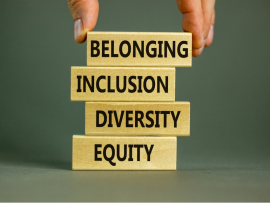
In an era that demands organizations go beyond mere rhetoric and actively champion diversity, equity, and inclusion (DEI), establishing meaningful initiatives has become imperative. A successful DEI strategy not only reflects an organization's commitment to fostering a diverse workforce but also contributes to innovation, employee satisfaction, and overall success. Let's explore a roadmap for implementing effective diversity, equity, and inclusion initiatives. Leadership Commitment: The foundation of any successful DEI initiative lies in its leadership commitment. Leaders must not only endorse diversity but actively champion it. This commitment should be visible in both words and actions, creating a culture where diversity is not just tolerated but celebrated. Comprehensive Training Programs: Implementing comprehensive training programs on diversity, equity, and inclusion is essential for fostering understanding and empathy among employees. Training should cover topics such as unconscious bias, microaggressions, and cultural competence. Creating a learning environment that encourages open dialogue helps break down barriers and build a more inclusive workplace. Diverse Hiring Practices: A commitment to diversity starts with recruitment. Organizations should implement strategies to attract a diverse pool of candidates. This includes unbiased job descriptions, diverse interview panels, and partnerships with organizations that focus on underrepresented groups. A diverse hiring process is a crucial step towards building an inclusive workforce. Inclusive Policies and Practices: Review and revise organizational policies and practices to ensure they are inclusive. This includes policies related to promotions,..
Read More
Employee engagement has long been a focal point for organizations striving to create a thriving and productive workplace. In recent years, there has been a notable shift in how companies approach this critical aspect of organizational success. The traditional annual surveys are making way for a more dynamic and responsive approach—real-time feedback. Let's explore the evolving landscape of employee engagement trends and the impact of embracing real-time feedback. The Limitations of Annual Surveys: Annual employee engagement surveys have been a staple in HR practices, providing valuable insights into employee satisfaction and organizational health. However, their infrequency poses challenges. Employees may hesitate to share real-time concerns, and by the time the results are analyzed, issues might have escalated. Enter real-time feedback—a more agile and responsive method. Instant Insights, Instant Action: Real-time feedback mechanisms, facilitated by digital tools and platforms, enable organizations to capture insights on an ongoing basis. This immediacy allows companies to address concerns promptly, fostering a culture of open communication and demonstrating a commitment to employee well-being. Leaders can respond in real time, showing employees that their opinions matter and are actively listened to. Employee-Centric Technology: In the era of digitization, employee-centric technology is playing a pivotal role in shaping engagement trends. Mobile apps, pulse surveys, and chatbots are becoming common tools for capturing real-time feedback. These platforms provide a user-friendly and accessible way for employees to share their..
Read More
In the fast-paced and competitive landscape of the modern workplace, recognizing and appreciating employees is not just a nicety—it's a strategic imperative. Employee recognition programs have emerged as powerful tools for fostering a positive work culture, boosting morale, and enhancing overall motivation. Let's delve into how well-designed recognition programs can be a game-changer for organizations. Acknowledging Contributions: At the core of any effective recognition program is the simple act of acknowledging employees' contributions. Whether big or small, recognizing the effort and dedication employees bring to their roles communicates that their work is valued and appreciated. This acknowledgment is a powerful motivator, fostering a sense of pride and accomplishment. Building a Culture of Appreciation: Employee recognition programs contribute to the development of a culture where appreciation is embedded in the organizational DNA. When recognition becomes a part of the workplace culture, it creates a positive cycle. Employees who feel appreciated are more likely to contribute positively to the work environment, creating a reciprocal relationship that benefits both individuals and the organization. Enhancing Employee Morale: High morale is a cornerstone of a productive and engaged workforce. Recognizing employees for their achievements and hard work has a direct impact on morale. When employees feel seen and appreciated, they are more likely to approach their work with enthusiasm, creativity, and a positive attitude. Motivating Performance Excellence: Recognition programs serve as powerful motivators for achieving..
Read More
Inclusive Leadership: Fostering Diversity in the Workplace In the pursuit of organizational excellence, the concept of inclusive leadership has emerged as a transformative force that goes beyond mere diversity numbers. Inclusive leaders champion a workplace culture where diversity is not just acknowledged but celebrated and where every individual feels valued and empowered. In this blog, we explore the profound impact of inclusive leadership on fostering diversity in the workplace. #1 Embracing Diversity Beyond Numbers: A Cultural Shift Inclusive leadership signals a cultural shift from merely meeting diversity quotas to embracing diversity as a fundamental aspect of organizational identity. Leaders who understand the value of diverse perspectives recognize that it goes beyond numbers on a spreadsheet; it's about creating an inclusive environment where everyone's contributions are valued. #2 Cultivating Psychological Safety: A Foundation for Inclusion Inclusive leaders prioritize psychological safety—a workplace environment where employees feel comfortable being their authentic selves without fear of judgment. This foundational aspect of inclusion fosters creativity, collaboration, and open communication. #3 Empowering Marginalized Voices: Giving Power to the Unheard Inclusive leaders actively seek to amplify the voices of those traditionally marginalized or underrepresented. They create platforms for individuals to share their experiences, perspectives, and ideas, ensuring that everyone has an equal opportunity to contribute to the organization's narrative. #4 Dismantling Bias: Challenging Assumptions and Stereotypes Inclusive leaders recognize and challenge unconscious biases that may exist within..
Read More
This blog post explores the diverse roles of inventory specialists across various industries, including healthcare, retail, manufacturing, and e-commerce. It highlights their critical contributions to operational efficiency, cost-effectiveness, and customer satisfaction. Healthcare: The Lifeline of Logistics In the healthcare industry, inventory specialists manage medical supplies, pharmaceuticals, and high-cost equipment. Their responsibilities are critical, as any discrepancy or shortage can directly impact patient care. These specialists must navigate a complex web of regulations, manage perishable stock, and ensure the availability of essential items at all times. Their role is pivotal in maintaining the balance between cost efficiency and the uncompromised delivery of healthcare services. Retail: The Architects of Availability Retail inventory specialists manage stock levels in physical stores and online platforms to meet consumer demand. Their expertise in forecasting, trend analysis, and inventory turnover is crucial for maintaining the right product mix, minimizing overstock, and reducing markdowns. In omnichannel retailing, they synchronize inventory across multiple sales channels, enhancing the shopping experience. Manufacturing: The Masters of Materials In manufacturing, inventory specialists are vital in managing raw materials, components, and finished goods. They work closely with procurement, production, and supply chain teams to ensure that manufacturing processes run smoothly without delays due to stockouts or excess inventory. By implementing lean manufacturing principles and just-in-time inventory strategies, these specialists help reduce waste, lower storage costs, and increase production efficiency. E-commerce: The Navigators of the..
Read More