


In the fast-paced and interconnected world of modern work, the pursuit of a healthy work-life balance has become increasingly crucial. Striking the right equilibrium between professional commitments and personal well-being is not just an employee benefit but a strategic imperative for organizations aiming to foster sustained productivity and employee satisfaction. Let's delve into the factors contributing to a balanced work-life equation and the positive impact it can have on overall productivity. Flexible Work Arrangements: One of the key elements in promoting work-life balance is the adoption of flexible work arrangements. Remote work options, compressed workweeks, and flexible scheduling empower employees to manage their time more effectively, reducing stress and enhancing overall well-being. As organizations embrace the digital era, technology facilitates seamless collaboration and communication, making flexible work arrangements more accessible than ever. Clear Communication and Expectations: Effective communication is at the heart of maintaining a healthy work-life balance. Clear expectations regarding working hours, response times, and availability help employees navigate their professional responsibilities without encroaching on personal time. Establishing open channels for dialogue ensures that concerns can be addressed and adjustments can be made collaboratively. Encouraging Regular Breaks: The misconception that constant work leads to higher productivity is being dispelled. Encouraging regular breaks and downtime is essential for recharging mental and physical energy. Short breaks throughout the day, along with longer vacations, contribute to increased focus when employees are working,..
Read More
Introduction: The global shift to remote work in recent times has reshaped the traditional office landscape, giving rise to the concept of hybrid work. As organizations navigate the evolving nature of work, a hybrid model that combines in-office and remote elements has emerged as a viable solution. Adapting to this new work paradigm requires thoughtful strategies to ensure a seamless and successful transition for both employees and organizations. Let's explore key strategies for embracing the hybrid work model. Establish Clear Communication Channels: Effective communication is the linchpin of successful hybrid work. Establishing clear and accessible communication channels is essential for keeping employees connected, whether they are working from the office or remotely. Utilize collaboration tools, instant messaging platforms, and regular virtual meetings to maintain a cohesive and informed workforce. Define Flexible Work Policies: Creating flexible work policies is crucial for accommodating the diverse needs of employees in a hybrid environment. Clearly outline expectations regarding work hours, availability, and communication preferences. Flexibility fosters a sense of autonomy and empowers employees to manage their work in a way that suits their individual circumstances. Invest in Technology and Infrastructure: A seamless transition to hybrid work requires robust technological infrastructure. Ensure that employees have access to the necessary hardware, software, and collaboration tools to facilitate efficient communication and collaboration. Regularly update and upgrade technology to meet the evolving needs of a hybrid workforce. Prioritize..
Read More
Building a Resilient Workforce: Strategies for Employee Well-being This blog discusses strategies for building a resilient workforce by prioritizing employee well-being, enabling them to adapt to challenges and thrive in the modern workplace. #1 Holistic Well-being Programs: Beyond Physical Health Well-being encompasses physical, mental, and emotional health. Implementing holistic well-being programs that address these aspects is crucial. From fitness initiatives to mental health resources, organizations can create a comprehensive approach to well-being that goes beyond traditional health benefits. #2 Flexible Work Arrangements: Tailoring Work to Individual Needs Recognizing that one size doesn't fit all, offering flexible work arrangements allows employees to balance professional and personal commitments. Whether it's remote work options, flexible hours, or compressed workweeks, flexibility contributes to a healthier work-life balance. #3 Mental Health Support: Breaking the Stigma Mental health is a cornerstone of overall well-being. Destigmatizing mental health issues, providing access to counseling services, and offering resources for stress management create an environment where employees feel supported and encouraged to prioritize their mental well-being. #4 Regular Check-Ins: Fostering Communication and Connection Regular check-ins between employees and managers are instrumental in gauging well-being. These conversations go beyond project updates; they provide a space for open communication, feedback, and understanding of individual needs, fostering a culture of support. #5 Professional Development Opportunities: Nurturing Growth Investing in employees' professional development not only enhances their skills but also contributes to a..
Read More
Introduction: In the dynamic landscape of the modern workplace, fostering a feedback culture is a powerful strategy for continuous improvement, employee engagement, and organizational success. An environment where open communication and constructive feedback are encouraged contributes to a culture of learning, collaboration, and innovation. Let's explore the key elements of creating a feedback culture that empowers employees and enhances overall organizational effectiveness. Establishing a Foundation of Trust: Trust is the cornerstone of any effective feedback culture. Organizations must cultivate an environment where employees feel safe sharing their thoughts, ideas, and concerns. Leaders play a crucial role in building this trust by demonstrating transparency, consistency, and a genuine commitment to listening and learning from feedback. Encouraging Regular and Timely Feedback: Feedback should not be reserved for annual performance reviews. Encourage a culture of regular and timely feedback. This includes both positive reinforcement for a job well done and constructive feedback aimed at improvement. Real-time feedback fosters a culture of continuous learning and ensures that employees have the opportunity to make adjustments promptly. Providing Training on Feedback Skills: Not everyone is naturally adept at giving or receiving feedback. Offering training on effective feedback skills equips employees and leaders with the tools to communicate thoughtfully and constructively. Training should cover active listening, framing feedback in a positive manner, and encouraging a growth mindset. Embracing a Growth Mindset: A feedback culture is closely tied..
Read More
Introduction: Data security for businesses is critical in this age of digital innovations. Employees play a pivotal role in maintaining the cybersecurity posture of an organization, making cybersecurity awareness a critical component of the overall defense strategy. Let's explore the importance of cybersecurity awareness for employees and delve into strategies for safeguarding company data. Understanding the Cybersecurity Landscape: The first step in fostering cybersecurity awareness is ensuring that employees understand the evolving landscape of cyber threats. Regular training sessions should cover common threats such as phishing, malware, ransomware, and social engineering. Providing real-life examples and case studies helps employees recognize potential risks. Strong password practices: Password security is a fundamental aspect of cybersecurity. Employees should be educated on the importance of creating strong, unique passwords for different accounts. Implementing multi-factor authentication adds an extra layer of protection, requiring additional verification beyond passwords. Recognizing Phishing Attempts: Phishing attacks remain a prevalent threat, often initiated through deceptive emails or messages. Training employees to recognize phishing attempts, including suspicious links or requests for sensitive information, is crucial. Simulated phishing exercises can provide hands-on experience in identifying and avoiding such threats. Secure Device Usage: Employees should be aware of the importance of securing their devices. This includes keeping software and antivirus programs up to date, using encrypted connections, and securing physical access to devices. Lost or stolen devices can pose significant security risks, making..
Read More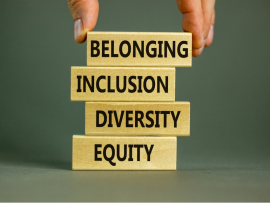
In an era that demands organizations go beyond mere rhetoric and actively champion diversity, equity, and inclusion (DEI), establishing meaningful initiatives has become imperative. A successful DEI strategy not only reflects an organization's commitment to fostering a diverse workforce but also contributes to innovation, employee satisfaction, and overall success. Let's explore a roadmap for implementing effective diversity, equity, and inclusion initiatives. Leadership Commitment: The foundation of any successful DEI initiative lies in its leadership commitment. Leaders must not only endorse diversity but actively champion it. This commitment should be visible in both words and actions, creating a culture where diversity is not just tolerated but celebrated. Comprehensive Training Programs: Implementing comprehensive training programs on diversity, equity, and inclusion is essential for fostering understanding and empathy among employees. Training should cover topics such as unconscious bias, microaggressions, and cultural competence. Creating a learning environment that encourages open dialogue helps break down barriers and build a more inclusive workplace. Diverse Hiring Practices: A commitment to diversity starts with recruitment. Organizations should implement strategies to attract a diverse pool of candidates. This includes unbiased job descriptions, diverse interview panels, and partnerships with organizations that focus on underrepresented groups. A diverse hiring process is a crucial step towards building an inclusive workforce. Inclusive Policies and Practices: Review and revise organizational policies and practices to ensure they are inclusive. This includes policies related to promotions,..
Read More
In the ever-evolving landscape of business, the digital era has ushered in transformative changes, particularly in the realm of workforce management. One standout solution making waves in this arena is Employ solution, a comprehensive platform designed to revolutionize the way organizations navigate the complexities of human resources and talent management. Employ solution: A Game-Changer in Workforce Management Employ solution stands at the intersection of technology and human resources, offering a holistic approach to workforce management. From recruitment to performance management, and beyond, this platform addresses the myriad challenges faced by organizations in the digital era. Streamlining Recruitment Processes: Employ solution starts by redefining how organizations attract and onboard talent. Through advanced recruitment features, the platform enables seamless candidate sourcing, applicant tracking, and efficient on boarding processes. This not only saves time but also enhances the overall candidate experience. Performance Management Redefined: In the digital era, traditional performance management practices are being redefined, and Employ solution is at the forefront of this transformation. The platform facilitates continuous feedback, goal setting, and performance evaluations, fostering a culture of ongoing improvement and development. Employee Engagement and Well-Being: Recognizing the importance of employee well-being and engagement, Employ solution provides tools and features that enhance the overall employee experience. From surveys to feedback mechanisms, the platform empowers organizations to create a positive and inclusive workplace culture. Data-Driven Decision-Making: One of the..
Read More
Employee engagement has long been a focal point for organizations striving to create a thriving and productive workplace. In recent years, there has been a notable shift in how companies approach this critical aspect of organizational success. The traditional annual surveys are making way for a more dynamic and responsive approach—real-time feedback. Let's explore the evolving landscape of employee engagement trends and the impact of embracing real-time feedback. The Limitations of Annual Surveys: Annual employee engagement surveys have been a staple in HR practices, providing valuable insights into employee satisfaction and organizational health. However, their infrequency poses challenges. Employees may hesitate to share real-time concerns, and by the time the results are analyzed, issues might have escalated. Enter real-time feedback—a more agile and responsive method. Instant Insights, Instant Action: Real-time feedback mechanisms, facilitated by digital tools and platforms, enable organizations to capture insights on an ongoing basis. This immediacy allows companies to address concerns promptly, fostering a culture of open communication and demonstrating a commitment to employee well-being. Leaders can respond in real time, showing employees that their opinions matter and are actively listened to. Employee-Centric Technology: In the era of digitization, employee-centric technology is playing a pivotal role in shaping engagement trends. Mobile apps, pulse surveys, and chatbots are becoming common tools for capturing real-time feedback. These platforms provide a user-friendly and accessible way for employees to share their..
Read More
In the fast-paced and competitive landscape of the modern workplace, recognizing and appreciating employees is not just a nicety—it's a strategic imperative. Employee recognition programs have emerged as powerful tools for fostering a positive work culture, boosting morale, and enhancing overall motivation. Let's delve into how well-designed recognition programs can be a game-changer for organizations. Acknowledging Contributions: At the core of any effective recognition program is the simple act of acknowledging employees' contributions. Whether big or small, recognizing the effort and dedication employees bring to their roles communicates that their work is valued and appreciated. This acknowledgment is a powerful motivator, fostering a sense of pride and accomplishment. Building a Culture of Appreciation: Employee recognition programs contribute to the development of a culture where appreciation is embedded in the organizational DNA. When recognition becomes a part of the workplace culture, it creates a positive cycle. Employees who feel appreciated are more likely to contribute positively to the work environment, creating a reciprocal relationship that benefits both individuals and the organization. Enhancing Employee Morale: High morale is a cornerstone of a productive and engaged workforce. Recognizing employees for their achievements and hard work has a direct impact on morale. When employees feel seen and appreciated, they are more likely to approach their work with enthusiasm, creativity, and a positive attitude. Motivating Performance Excellence: Recognition programs serve as powerful motivators for achieving..
Read More
This blog explores common causes of employee turnover, focusing on effective solutions for organizations to build a stable and engaged workforce, thereby enhancing productivity and morale. Common Causes of Employee Turnover: Lack of Career Growth Opportunities: Employees often seek professional development and opportunities for career advancement. When organizations fail to provide clear growth paths or invest in employee training and skill development, it can lead to dissatisfaction and turnover. Inadequate Compensation and Benefits: Competitive compensation and comprehensive benefits packages are essential for retaining top talent. If employees feel that their efforts are not adequately rewarded or that their benefits are subpar, they may be tempted to explore other opportunities. Poor Leadership and Management: Leadership plays a pivotal role in employee satisfaction. A toxic work environment, lack of effective communication, or unsupportive management can contribute to turnover. Employees need leaders who inspire, guide and appreciate their contributions. Work-Life Imbalance: Demands for work-life balance have become increasingly important. When employees feel overwhelmed with excessive workloads, unrealistic expectations, or a lack of flexibility, they are more likely to seek employment elsewhere. Lack of Recognition and Appreciation: Employees want to feel valued for their contributions. A lack of recognition, feedback, or appreciation can create a sense of disengagement, leading employees to seek appreciation in other work environments. Implementing Solutions to Reduce Employee Turnover: Invest in Professional Development: Provide opportunities for skill enhancement, career development,..
Read More