
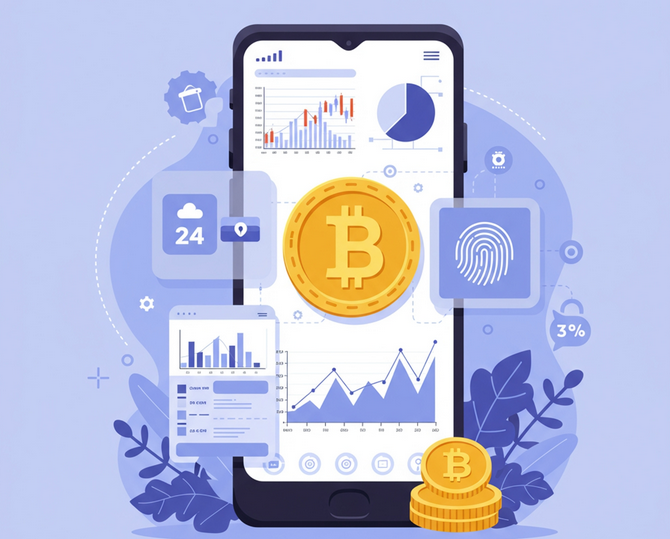
Blockchain technology has been a buzzword in finance and technology for years, but its impact on digital payments is increasingly evident. Originally introduced as the backbone of cryptocurrencies like Bitcoin, blockchain’s secure, transparent, and decentralized nature is now transforming how we think about and use digital payments. Here’s how blockchain is revolutionizing digital payments and why it’s considered a game-changer in the financial world.
One of the most compelling advantages of blockchain technology in digital payments is its enhanced security. Blockchain’s decentralized structure means no single entity controls transactions, making it far more difficult for hackers to manipulate or alter payment information. Each transaction is verified and recorded in a public ledger, creating a transparent, tamper-proof history. This dramatically reduces the risk of fraud and makes digital payments more secure for both businesses and consumers.
Blockchain technology enables peer-to-peer transactions without intermediaries, such as banks or payment processors. This can result in significantly faster payment processing times, especially for cross-border transactions. Traditional international payments can take several days to clear, often due to multiple intermediaries and time zone differences. With blockchain, transactions can occur in minutes or even seconds, regardless of the parties’ geographic locations, making the entire payment process more efficient and timely.
The absence of intermediaries is also a significant factor in reducing transaction costs. Traditional payment methods, particularly cross-border transactions, often come with hefty fees due to the involvement of banks, credit card companies, and foreign exchange providers. Blockchain cuts out these middlemen, leading to lower fees for both merchants and consumers. This cost-saving feature makes blockchain-based payments particularly attractive to small businesses and international traders, who may have previously been burdened by high transaction fees.
Blockchain’s decentralized and immutable ledger ensures that every transaction is recorded and easily traceable. This level of transparency is invaluable for both businesses and customers. For businesses, it provides a clear audit trail for accounting and compliance purposes, while customers can verify the legitimacy and authenticity of transactions. This level of traceability not only builds trust but also reduces the potential for fraud and financial misconduct.
Blockchain technology also holds the potential to bring financial services to the unbanked population. Many people around the world lack access to traditional banking, but blockchain-based payment systems can be accessed through smartphones and the internet. This provides a pathway to financial inclusion, enabling individuals in underserved regions to send and receive payments securely and efficiently.
Blockchain technology is reshaping the world of digital payments by offering enhanced security, faster transaction speeds, lower fees, and greater transparency. As more businesses and consumers adopt blockchain-based solutions, the future of payments will be more efficient, secure, and accessible. Blockchain’s ability to disrupt traditional payment systems is undeniable, and its potential to revolutionize the global financial landscape is just beginning to unfold.
#Blockchain #DigitalPayments #Crypto #FinancialTechnology #BlockchainPayments #Security #FinancialInclusion #PaymentSystems #FutureOfFinance
